
Veterinary Brand Strategy: Are You Considering the People Who Actually Matter?

Updated: Sep 12, 2025

If your veterinary marketing strategy isn't getting the results you hoped for, it might not be your services. It might be your stakeholder blind spots.
Years ago, I read Mitch Albom's "The Five People You Meet in Heaven." Now, before you tune out over the title, trust me - it's not a religious book. It's truly a classic story about interconnectedness and how our actions ripple outward in ways we never noticed.
Eddie, an 83-year-old amusement park mechanic, dies trying to save a little girl from a broken ride. He then discovers how his life intersected with five strangers in ways he never imagined: the Blue Man he accidentally killed as a child, his war captain who saved his life by shooting him in the leg, Ruby who shows him his father's true story, his beloved wife Marguerite, and Tala (a Filipino girl who died in a fire he set during the war but whose death gave meaning to his life's work of keeping children safe).
The profound realization? Every connection mattered. Every seemingly random encounter had profound ripple effects.
Your business has the same invisible web of impact. You're probably talking to a handful of obvious stakeholders while completely ignoring the dozens of others whose lives (and wallets) you actually affect.
Don't feel bad. You’re far from alone. This blog was prompted by updating my own stakeholder list, which was terribly lacking and poorly prioritized.
Your Stakeholder List is Probably Too Short (Here's How I Know)
Most businesses think stakeholders = customers + employees + maybe investors if you're fancy. That's like saying veterinary medicine is just "fix sick animals." Technically true, but you’re missing about 90% of what actually matters in both of those cases.
When I started doing veterinary business consulting, my stakeholder list looked like everyone else's: veterinarians, vet students, vet staff, done. Classic tunnel vision with no nuance. But as my work expanded into veterinary AI tool implementation and veterinary brand positioning, I realized I was having conversations with people I'd never even considered stakeholders.
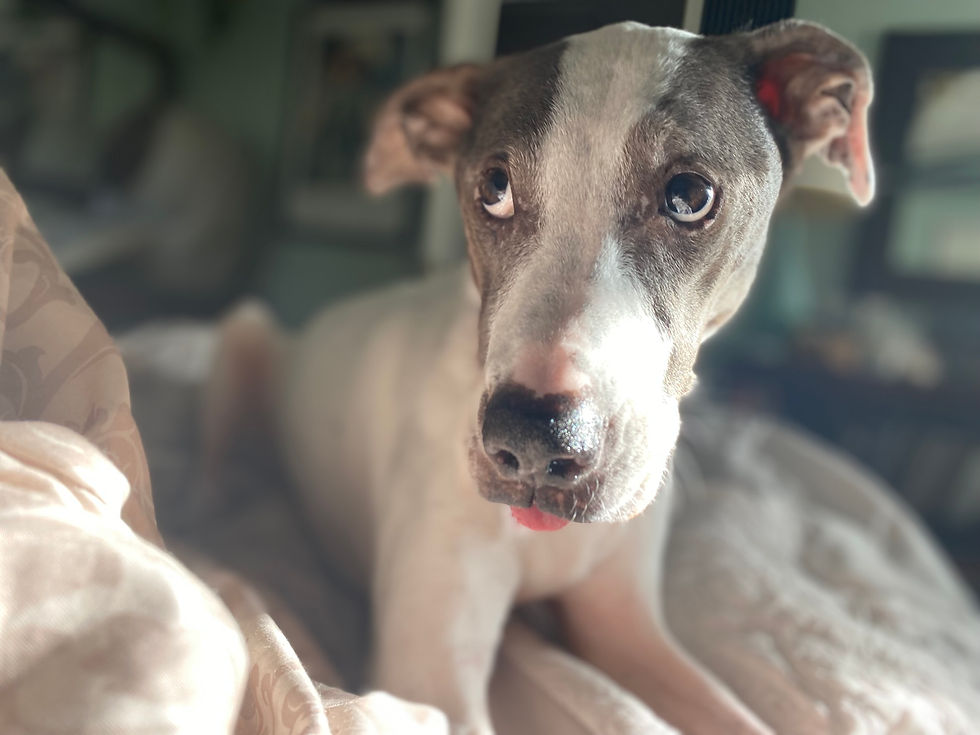
Like the OpenAI ecosystem that powers my tools. Or the web developers who make my platforms possible. Or (and this one hit me hard), my own animals, who are the ultimate beneficiaries of everything I earn, even though they'll never buy a thing from me. In fact, they’re pretty subpar employees on average and probably should be let go, but I digress…
That's when I realized: if you don't know who all your stakeholders are, you can't possibly know how to run your business as effectively as possible.
If you don't know who all your stakeholders are, you can't possibly know how to run your business as effectively as possible.
For instance, how can you effectively message your target audience if you’re still a little wishy-washy about who, maybe, kind of, probably they are? And if you can't talk to them appropriately, your branding is just expensive guesswork.
The Real Universe: It's Bigger Than You Think
Here's the thing about stakeholders: they exist in tiers, and most people stop thinking after Tier 1. But the overall success of your brand depends on your understanding of the whole ecosystem.
(Just a quick note that there are other classification systems out there, but I've found this tiered approach more practical for my own business planning.)
Here’s how I grouped my stakeholders:
Tier 1: Your Revenue Drivers (The Obvious Ones)
These are the people directly paying you right now. This also equates to your target audience from the marketing perspective.

For me, that's AI and tech companies needing veterinary AI tool implementation and brand positioning guidance, veterinary professionals interested in workflow optimization using AI, and other veterinary decision makers seeking veterinary marketing strategy and brand positioning guidance.
Note how complicated that paragraph was. That was intentional because I’ve matured a lot over the years in the understanding of the exact nature of my target audience.
You can’t just say "Veterinarians.” This isn't specific enough. Are we talking about general practitioners drowning in paperwork? Specialists looking for efficiency? Shelter vets stretched impossibly thin? Each group has different pain points, different language, and different ways they want to be approached.
Similarly, you can’t just say “Owners.” Your equine performance client with a Dutch Warmblood that competes in Grand Prix dressage would be, let’s say, unsatisfied if you asked if their horse jumps. Your cat breeder client with a Russian-imported Peterbald breeding queen would be similarly displeased if you described her as “a funny-looking hairless cat.”
Specificity matters when you're describing your target audience because how you message each of these highly specific groups matters enormously to them.
Specificity matters when you're describing your target audience because how you message each of these highly specific groups matters enormously to them.
Tier 2: Your Credibility Builders
These stakeholders don't pay you directly, but they make it possible for Tier 1 to trust you.
For consultants, it’s veterinary conference organizers who give you speaking platforms. Vet school educators who invite you to lecture. Content creators who cross-promote your work.

For practicing veterinarians, it might be local animal shelters that trust you with their rescues, breeders who recommend you to new pet parents, and dog trainers who refer behavior cases to you.
These are not just "nice to have" relationships. These are critical credibility references that support your infrastructure. Without them, you're just another vet with a website.
Tier 3: Your Strategic Ecosystem
This is the "future business relevance" tier. These stakeholders aren't directly paying you or vouching for you right now, but they're players in your industry ecosystem who could become partners, competitors, or influential forces in your field.
For me, it includes AI tool developers who aren't even in veterinary medicine yet but might be someday; animal health corporations who could become partners; and the tech platforms that host my work.

For practicing vets, it might include corporate veterinary groups expanding into your area, telemedicine platforms that could change how you deliver care, and veterinary software companies developing new practice management systems.
These stakeholders shape your future possibilities. Ignore them, and you'll miss opportunities you didn't even know existed or face threats that could dramatically impact your business's survival.
These stakeholders shape your future possibilities. Ignore them, and you'll miss opportunities you didn't even know existed or face threats that could dramatically impact your business's survival.
Tier 4: The Invisible Impact
Finally, there are the stakeholders whom most people never think about at all – those Mitch Albom types.
My stakeholders here include:
The animals and staff whose lives improve when I help their vet clinics run more efficiently
The environment, affected by AI systems' energy consumption
Local communities where my clients operate, impacted by their business activities
My family, including my built-in pet-sitter who cares for my animals when I travel
My pets, who are what I truly need income to support
Myself, constantly figuring out how to exist sustainably in this field while doing work that uses my talents effectively
For a practicing vet, this includes:
Their patients, who receive better care
The pet owners’ families (especially kids) who learn from pet ownership
The community's public health, protected through vaccination programs and zoonotic disease prevention
Local rescue organizations that benefit directly or indirectly from spay/neuter activities
The environment, which is impacted by medical waste and drug disposal and facility design
The vet's own family and pets, whose lives are shaped by long hours and financial pressures of practice ownership
These stakeholders don't buy from you, but they're affected by what you do. And increasingly, consumers care about businesses that acknowledge this broader impact.
Here are a few recent studies on this topic if you want to read more:
Why Veterinary Brand Strategy Starts with Stakeholders
This isn't just feel-good stakeholder mapping. Understanding your full stakeholder universe directly impacts your ability to:
Build authentic messaging.
When you know you're talking to shelter vets (who care deeply about animal welfare) versus corporate practice managers (who need ROI justification), your content strategy completely changes.
Make strategic decisions.
Your stakeholder map becomes crucial when you need to prioritize. If generating income is essential, you know to focus on Tier 1 revenue drivers rather than getting distracted by interesting but non-revenue-generating opportunities in Tiers 3 and 4.
Avoid brand disasters.
If you don't know that your Gen Z clients expect transparency about your business practices, you might appear tone-deaf. If you don’t realize your clinic clients are understaffed, you might suggest workflow changes that require more people.
Find unexpected opportunities.
A great stakeholder map might reveal that your local animal shelter could become a referral source, or that vet software developers in Tier 3 might need your specific expertise for designing new tools.
How to Build Your Own Comprehensive Stakeholder Map
Ready to create your own list? Here's the framework that worked for me:
Step 1: Start with the obvious ones
Write down everyone who directly pays you or works for you. Don't overthink this part. It’s just a brain dump.
Step 2: Ask the ripple questions
Who makes it possible for those direct customers to find and trust you?
Who provides the infrastructure (technical, legal, social) that enables your work?
Who gets affected by your work, even if they don't pay for it?
Who influences your industry or business's future direction?

Step 3: Consider the invisible impacts
This is where most people stop thinking, but push further:
What communities or individuals are directly or indirectly affected by your work?
What environmental implications does your business model have?
Who supports you personally in ways that make your business possible?
Step 4: Group them strategically
Don't just make a long list. Organize stakeholders by how much strategic attention they deserve right now. My tier system worked for me, but you could also group by influence level, timeline, or communication needs.
Step 5: Test your messaging
Pick three stakeholder groups and pitch the same service. If your messaging doesn’t change, you’re not being specific enough. Define each group more specifically and understand how to message them as individuals.
The Challenge: Find Your Own Blind Spots
Here's what I want you to do: physically or mentally grab your current stakeholder list and ask yourself honestly: who's missing?
If you can't identify stakeholders in all four tiers I described, you're probably missing major opportunities to connect with people who could transform your business.
If you can’t quickly explain how you’d speak to your top three groups differently, your branding needs work.
If you can’t quickly explain how you’d speak to your top three groups differently, your branding needs work.
Your stakeholders are more numerous - and more important - than you think.
Most of your competitors haven't figured this out yet, which means there's still time for you to create a competitive advantage.
Let’s Map Your Stakeholder Strategy Together
Need help mapping your stakeholder universe and developing a veterinary marketing strategy that actually speaks to your target audience?
This kind of strategic stakeholder analysis is the foundation of effective veterinary brand positioning. Whether you're optimizing practice workflows or implementing AI tools, understanding your complete stakeholder ecosystem is what separates thriving businesses from those just getting by.
👉 Contact me to discuss your stakeholder mapping strategy.
Comments